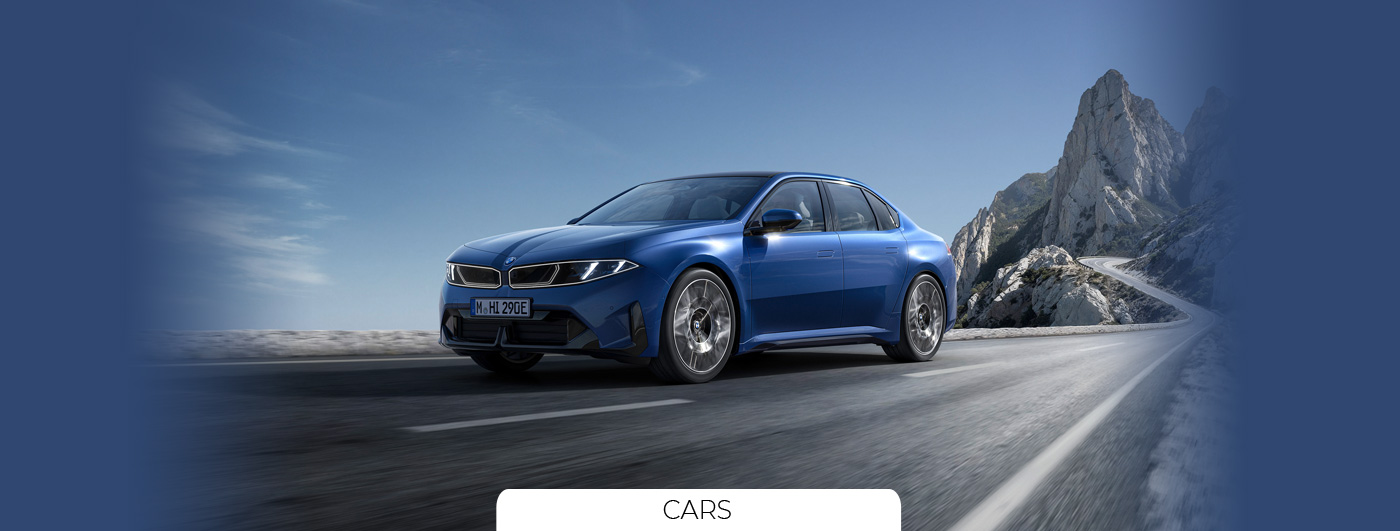
NEUE KLASSE: THE NEW BMW i3.
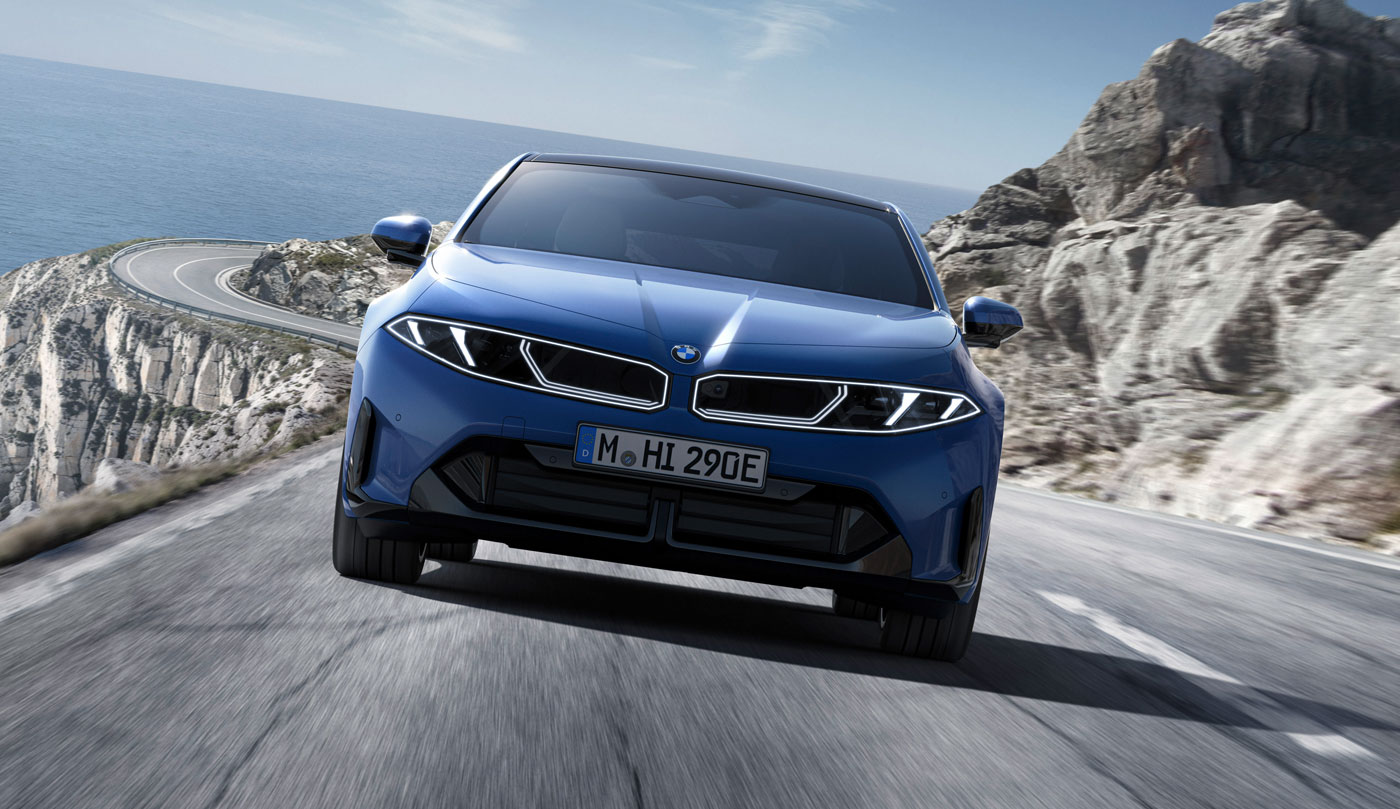
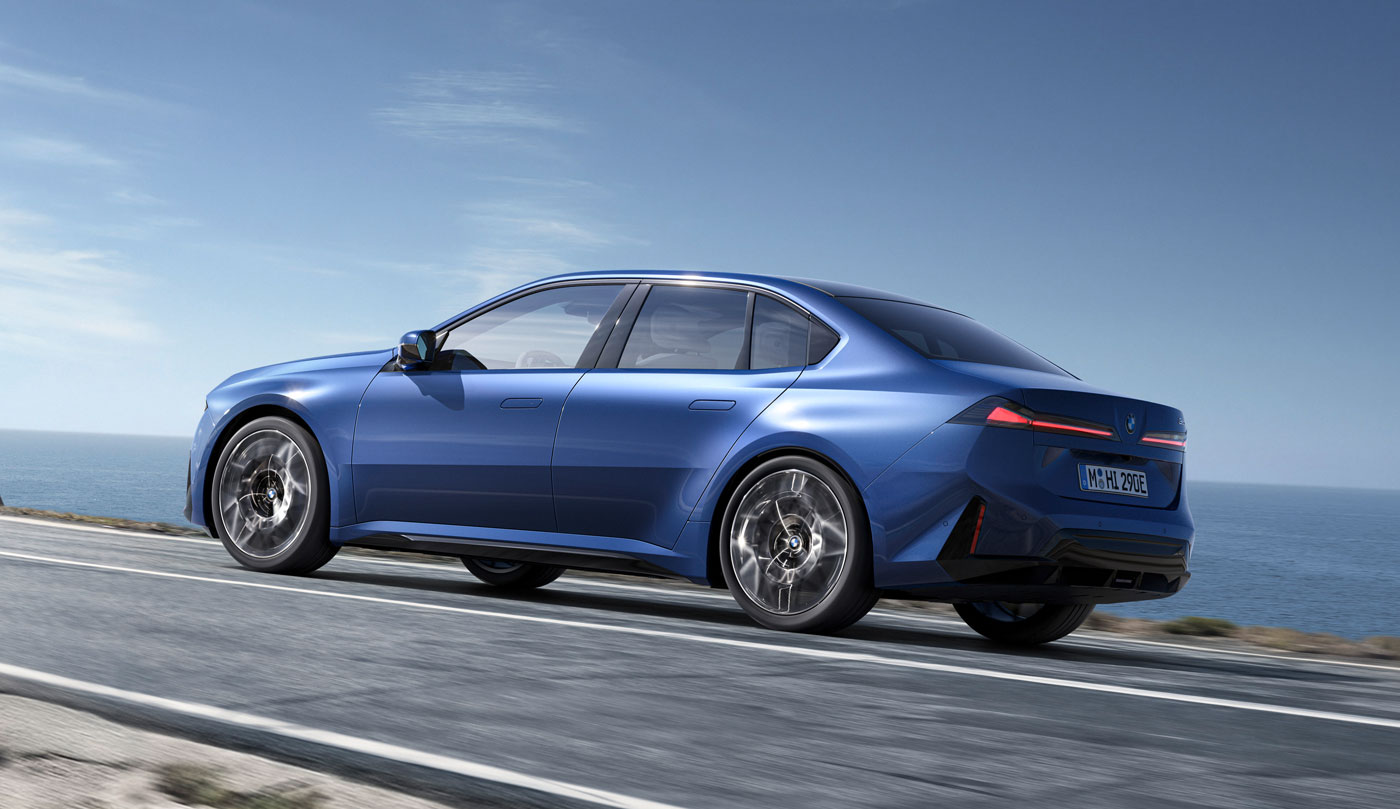
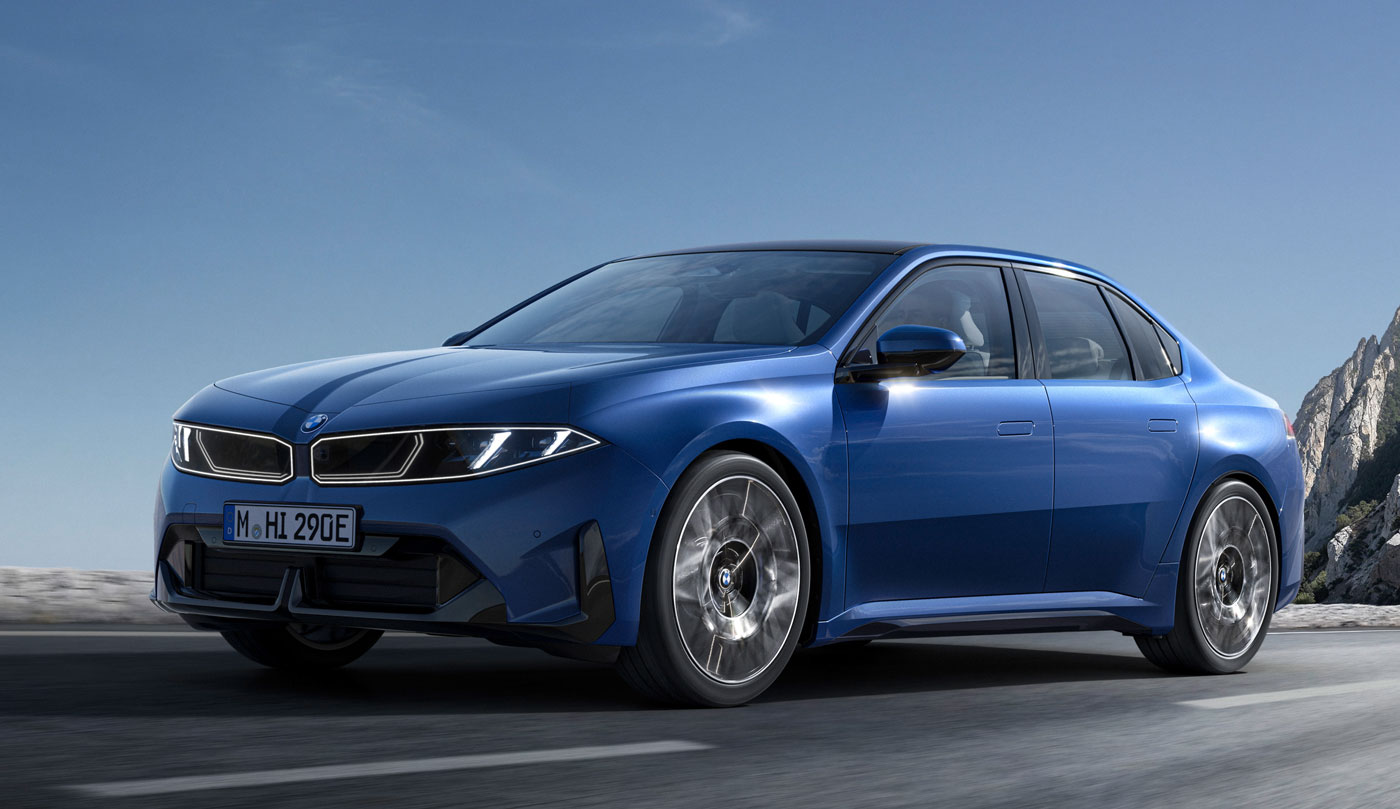
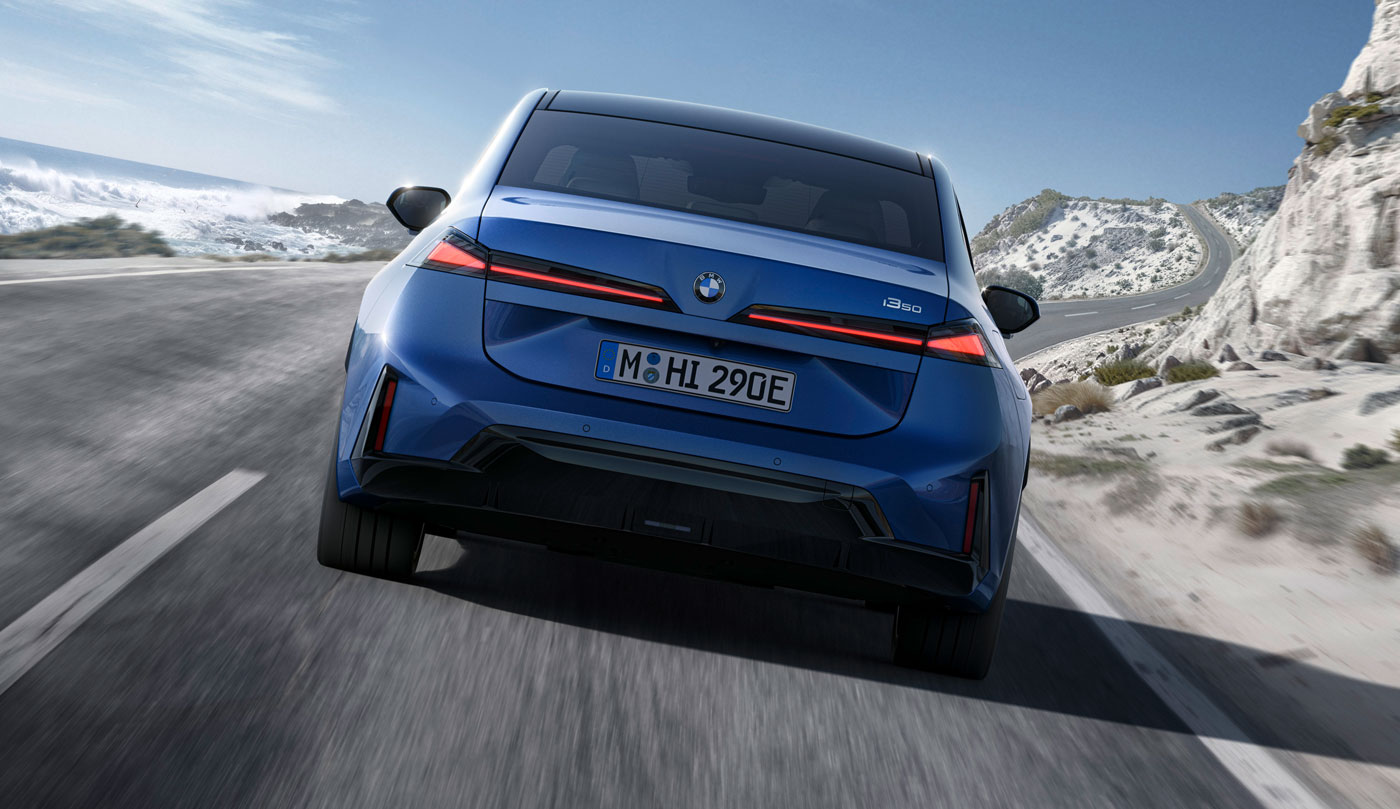
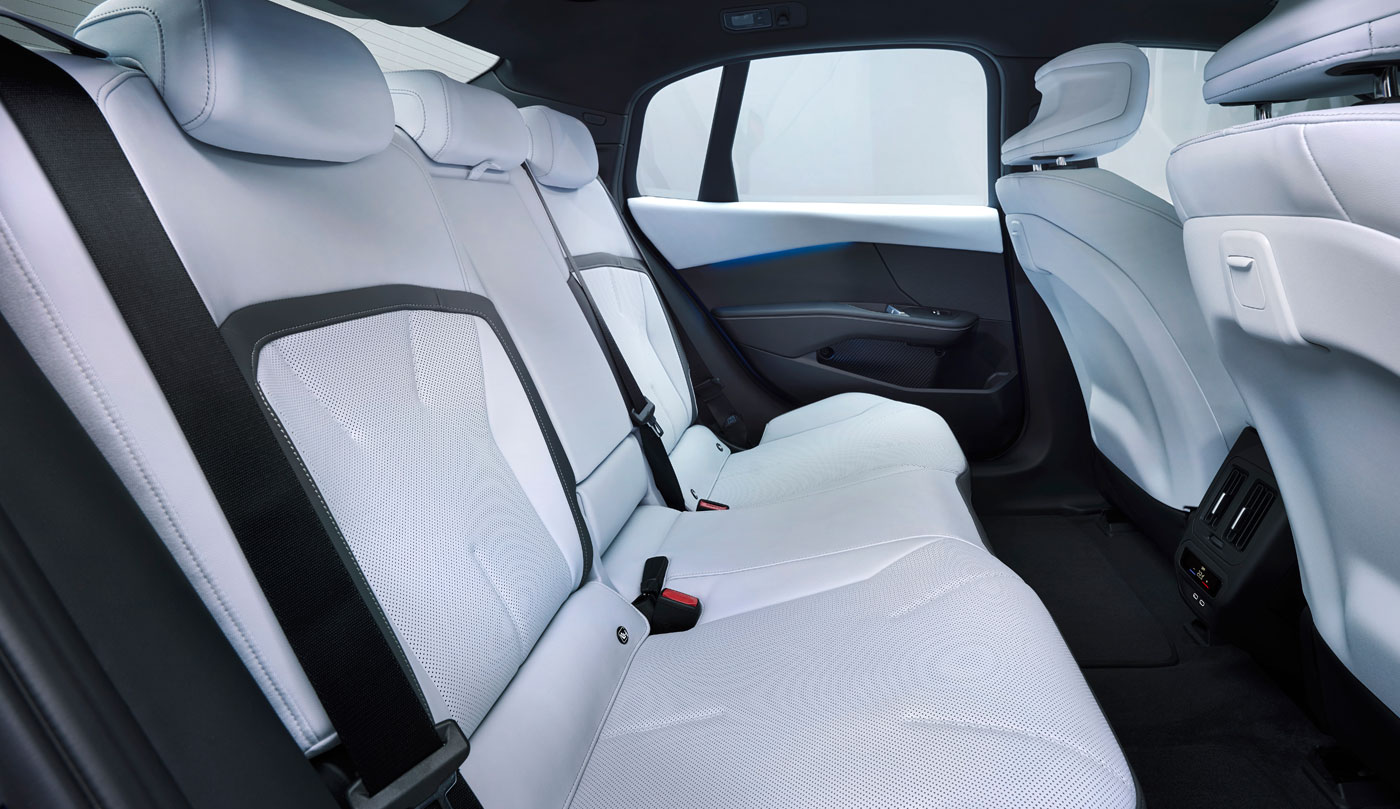
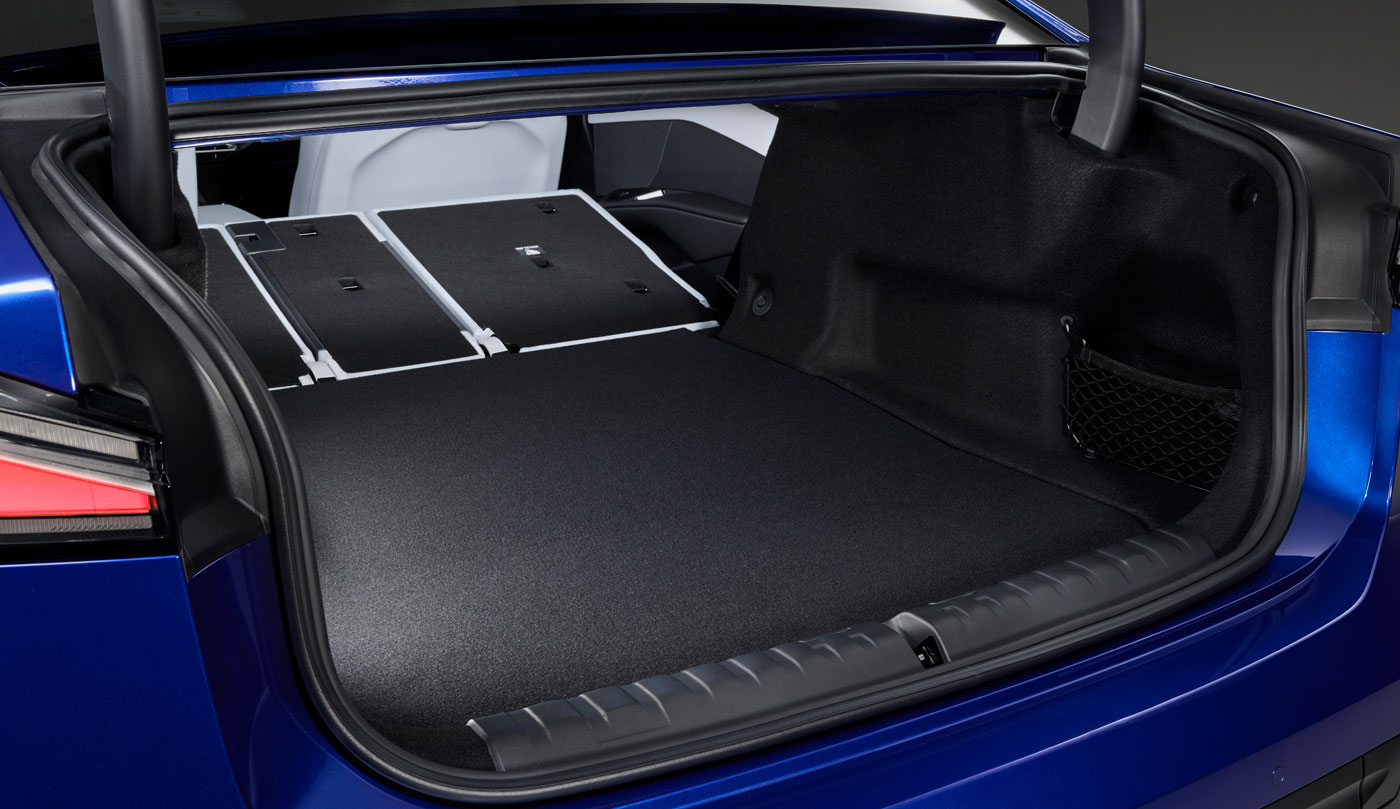
BMW has officially unveiled the second vehicle in its “Neue Klasse” lineup: the new BMW i3. Following the initial launch of the iX3, this all-electric sedan represents a significant shift for the BMW 3 Series, integrating sixth-generation eDrive technology and a new centralized software architecture.
Production is scheduled to begin at the BMW Group plant in Munich in August 2026, with the first customer deliveries expected in autumn of the same year.
Technical Specifications and Performance
The launch model, designated as the BMW i3 50 xDrive, features an electric motor on both the front and rear axles.
- Output: Combined system power of 345 kW (469 hp) and a maximum torque of 645 Nm.
- Range: Up to 900 kilometers (approx. 560 miles) according to the WLTP test cycle.
- Charging: Equipped with 800-volt technology, the vehicle supports DC fast charging up to 400 kW. This allows for a range increase of 400 km in approximately 10 minutes.
- Efficiency: The sixth-generation battery system utilizes new round cells and a cell-to-pack design, which increases energy density while allowing for a flatter battery profile.
Design and Interior
The i3 introduces a “2.5-box” design language for the electric era, characterized by a long wheelbase, short overhangs, and flared wheel arches. The traditional BMW kidney grille and twin headlights have been merged into a single horizontal light signature.
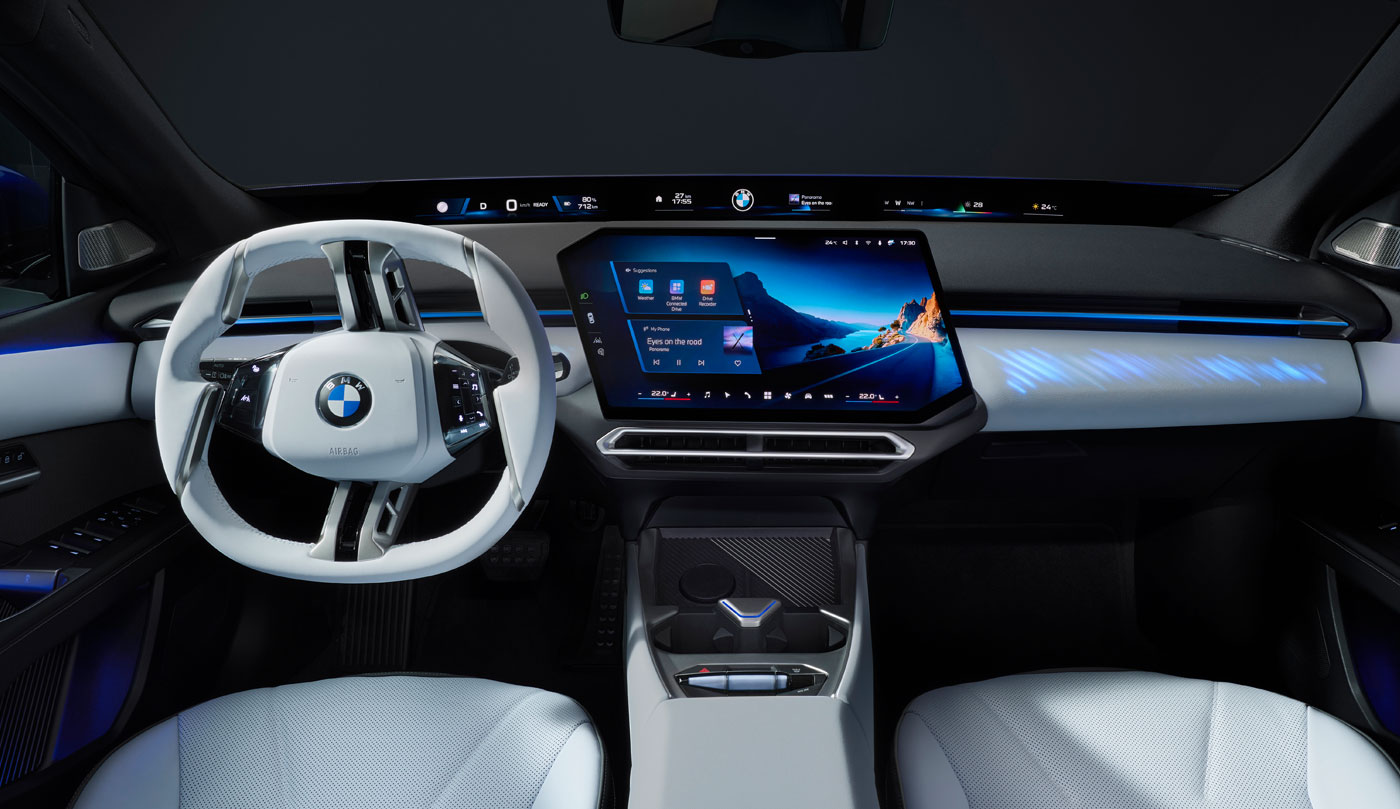
Inside, the cabin features the BMW Panoramic iDrive system. This technology projects driving information across the entire width of the lower windshield, replacing a traditional instrument cluster to provide a more open, driver-oriented environment.
“Heart of Joy” Computing
The vehicle’s driving dynamics are managed by a high-performance central computer termed the “Heart of Joy.” This system processes data ten times faster than previous BMW architectures, consolidating the control of the powertrain and chassis into a single unit to improve response times and handling precision.
Sustainability and Bi-Directional Charging
As part of BMW’s “Design for Circularity” principle, the i3 incorporates a high proportion of recycled materials. It also supports bi-directional charging capabilities, including:
- Vehicle-to-Load (V2L): Powering external devices.
- Vehicle-to-Home (V2H): Supplying power to a residential grid.
- Vehicle-to-Grid (V2G): Feeding energy back into the public utility system.