FIFA World Cup – The World Came to Vancouver
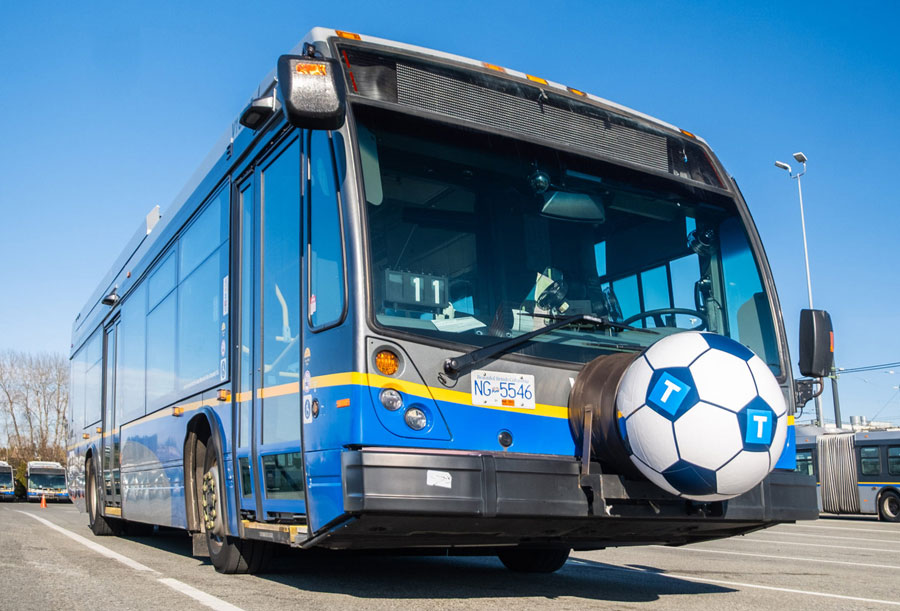
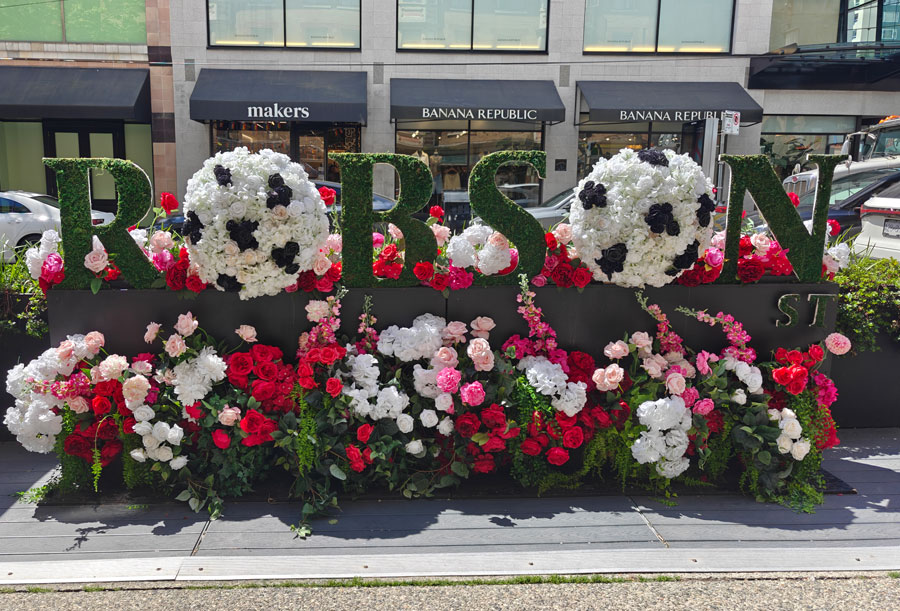
Every four years, the FIFA World Cup becomes more than a sporting event. It becomes a global celebration that unites nations, cultures, and generations in a way few events on earth can. For one month, football dominates conversations, city streets transform into gathering places, and billions of people collectively experience the drama, emotion, and spectacle of the world’s most popular sport.
Yet the 2026 FIFA World Cup was different.
The first tournament ever hosted by three nations, and the largest in the competition’s history, brought unprecedented scale, unprecedented crowds, and unprecedented global attention. Forty-eight nations competed across Canada, the United States, and Mexico, creating a World Cup unlike any before it. Some questioned whether a tournament of this size could retain its magic. By the final whistle, those concerns had largely been replaced by something else: a realization that the beautiful game had never felt more global.
And nowhere was that global spirit more visible than in Vancouver, which is now the only city in the world to have hosted the World Expo, the Olympic Games, the Paralympic Games, the FIFA Women’s World Cup, the Invictus Games, and now, the FIFA Men’s World Cup.
Visitors arriving in Vancouver immediately knew they had entered a World Cup city, while an electric atmosphere spread from neighbourhood to neighbourhood. This was Vancouver at its absolute best: vibrant, welcoming, multicultural, and alive with a massive level of energy.
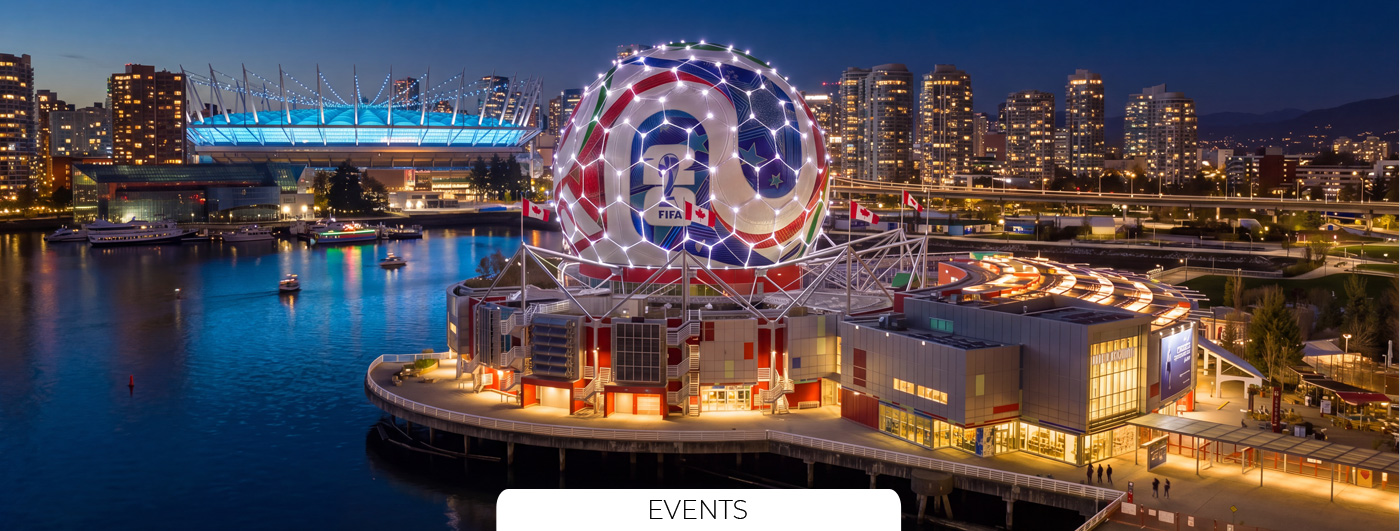
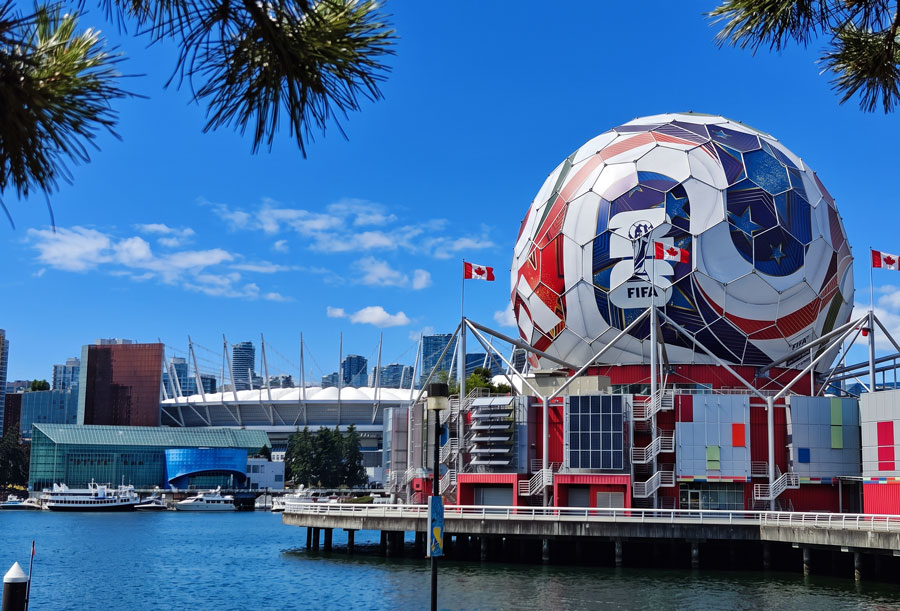
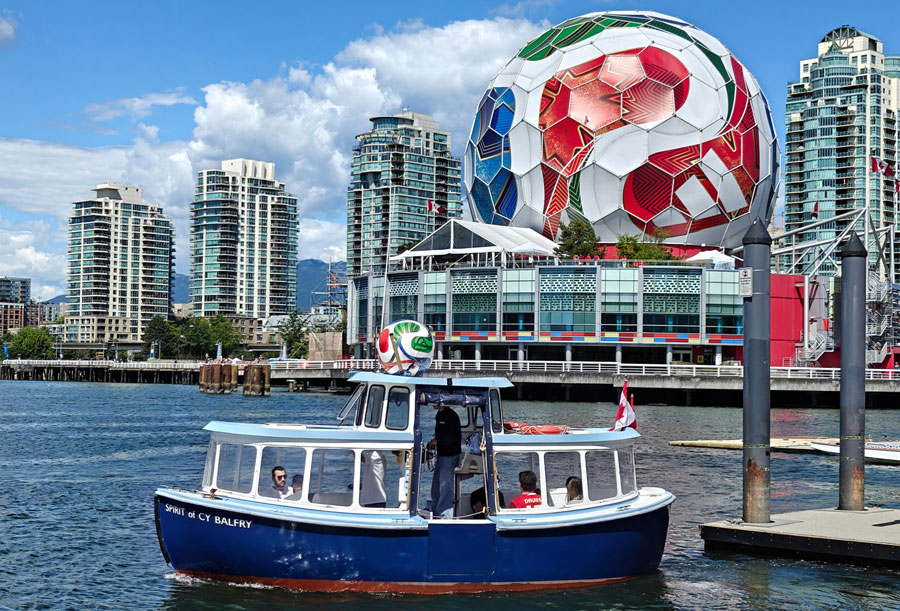
The defining image of the tournament may well have been Science World. Reimagined as “The Beautiful Dome,” the iconic geodesic sphere was transformed into a giant replica of FIFA’s official Trionda match ball through the installation of 131 custom panels across its 40-metre structure. Day and night, it became a gathering place, a photo backdrop, and one of the most recognizable symbols of Vancouver’s role on the world stage. Millions watching from abroad were introduced to a landmark that instantly connected the city to the tournament.
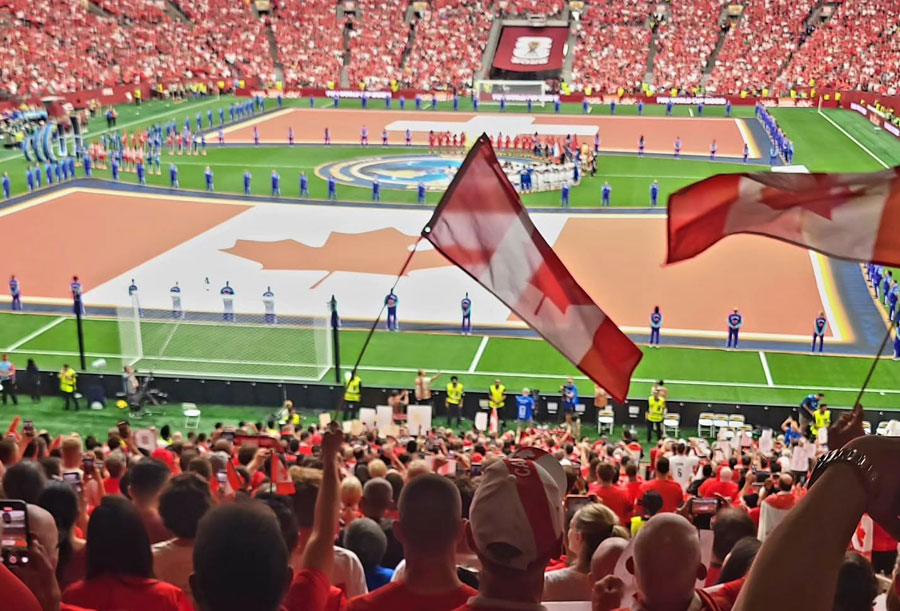
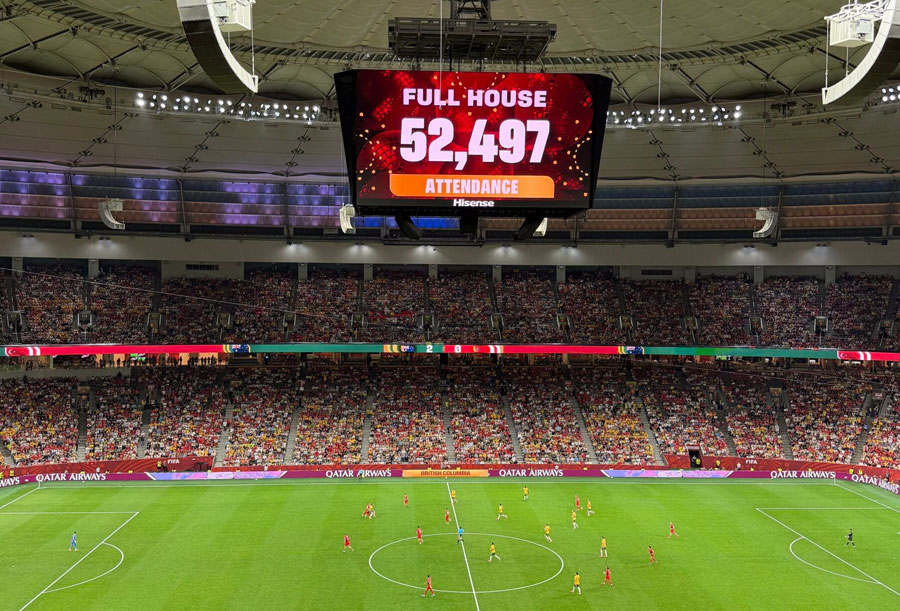
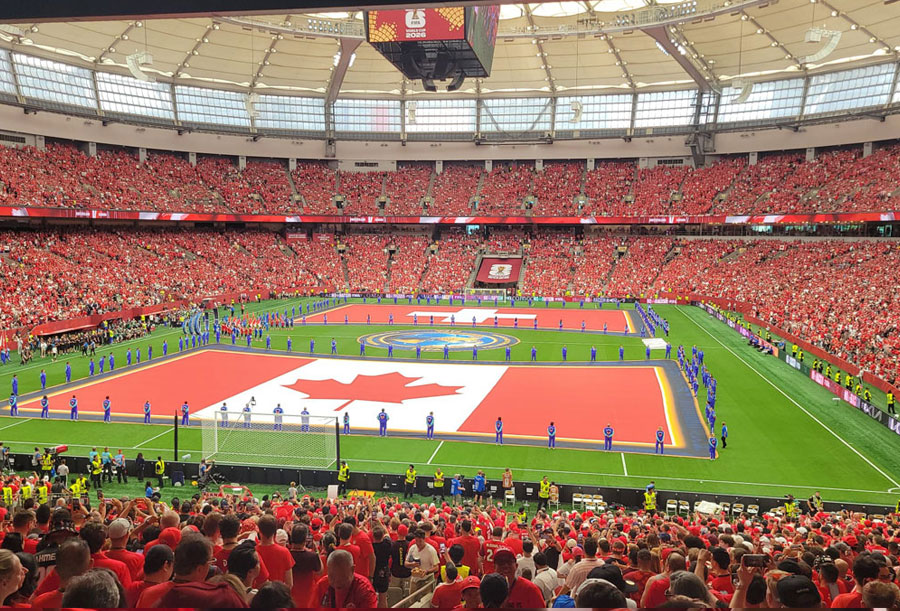
Vancouver’s first World Cup match received rave reviews from fans, media, and FIFA officials alike. The game was officially sold out, drawing 52,497 spectators to BC Place and showcasing the city at its very best. Around the stadium, match days brought a level of energy rarely
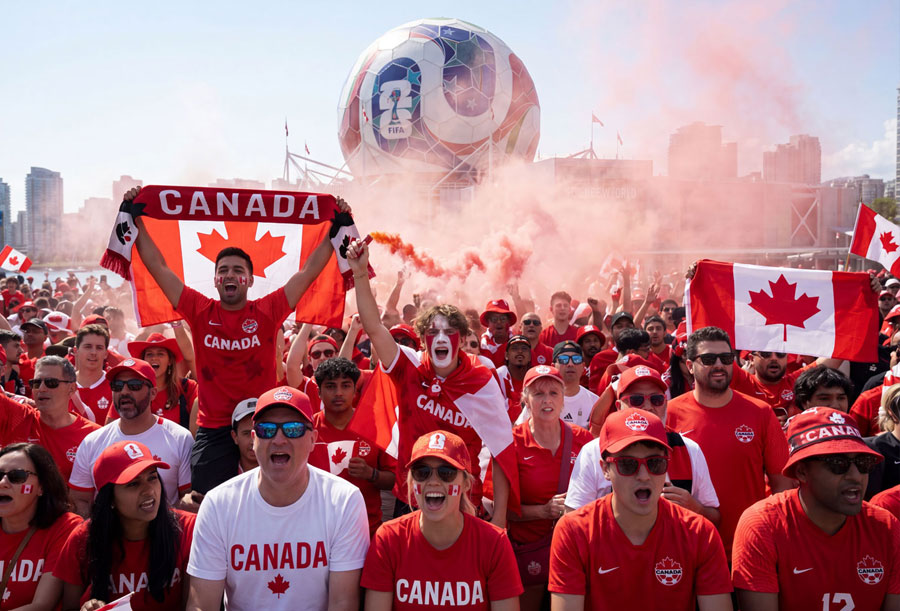
seen in Vancouver. Supporters draped in national colours filled patios, plazas, hotels, and public spaces long before kickoff. Following Canada’s historic 6-0 victory over Qatar—the nation’s first-ever win at a men’s FIFA World Cup—celebrations spilled into the streets as thousands of fans marked a defining moment in Canadian soccer history.
The city’s success did not go unnoticed. During the tournament, Sports Illustrated ranked Vancouver as the best World Cup host city, praising its unique combination of accessibility, atmosphere, and urban design. Unlike many host cities where fans relied heavily on vehicles, Vancouver’s extensive SkyTrain network seamlessly connected downtown, surrounding communities, and Vancouver International Airport. At the heart of it all sat the 54,000-seat BC Place Stadium, surrounded by restaurants, bars, hotels, and entertainment venues—all within walking distance.
For many visitors, it was possible to experience the World Cup without ever needing a car.
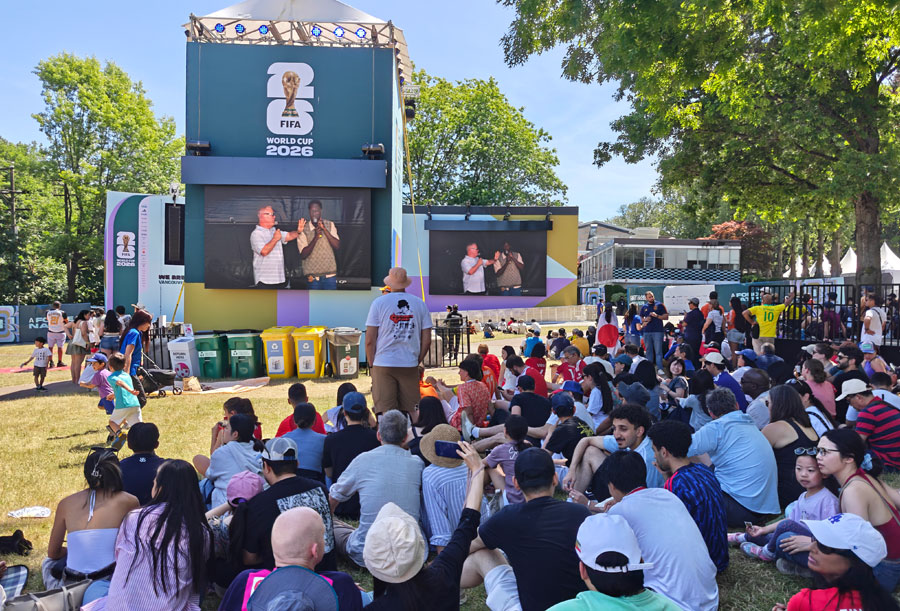
Meanwhile, Hastings Park and the PNE became home to British Columbia’s largest World Cup gathering place. Vancouver’s official FIFA Fan Festival welcomed enormous crowds throughout the tournament, with more than 87,000 attendees passing through its gates during the opening four days alone. When Canada took the field, attendance reached approximately 40,000 supporters, creating an unforgettable sea of red and white.
Giant screens, live entertainment, cultural programming, food vendors, interactive exhibits, and communal watch parties transformed the venue into the province’s largest living room—a place where supporters from every corner of the globe could celebrate together regardless of which team they supported.
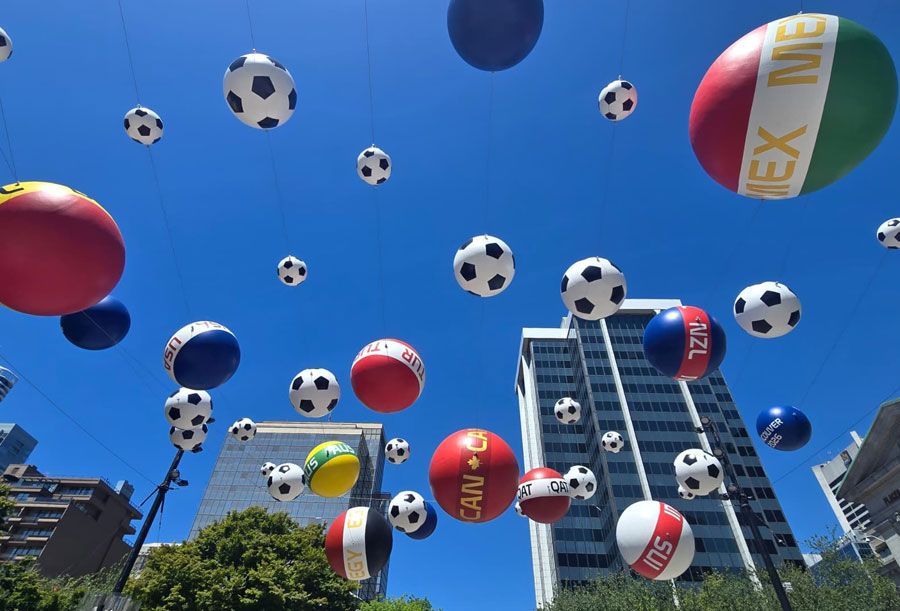
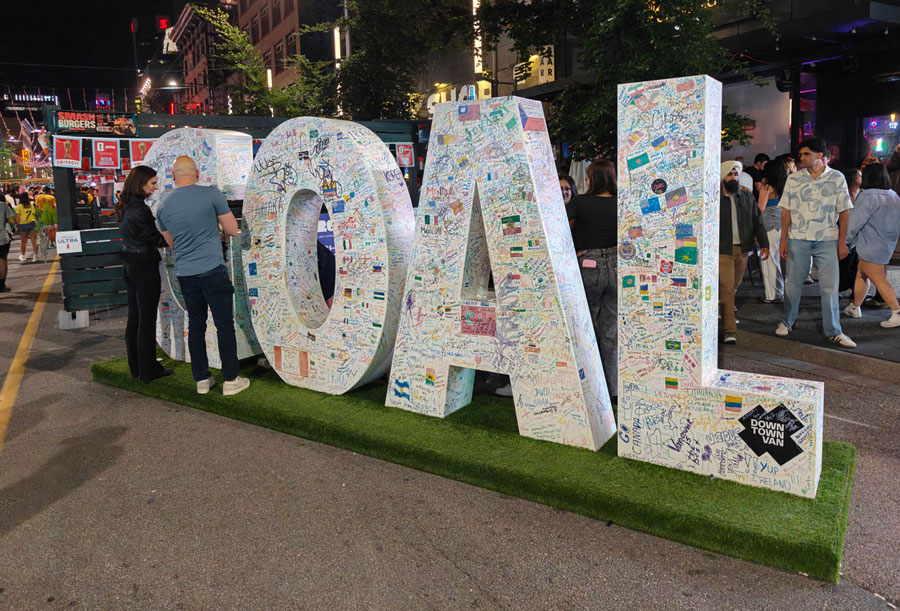
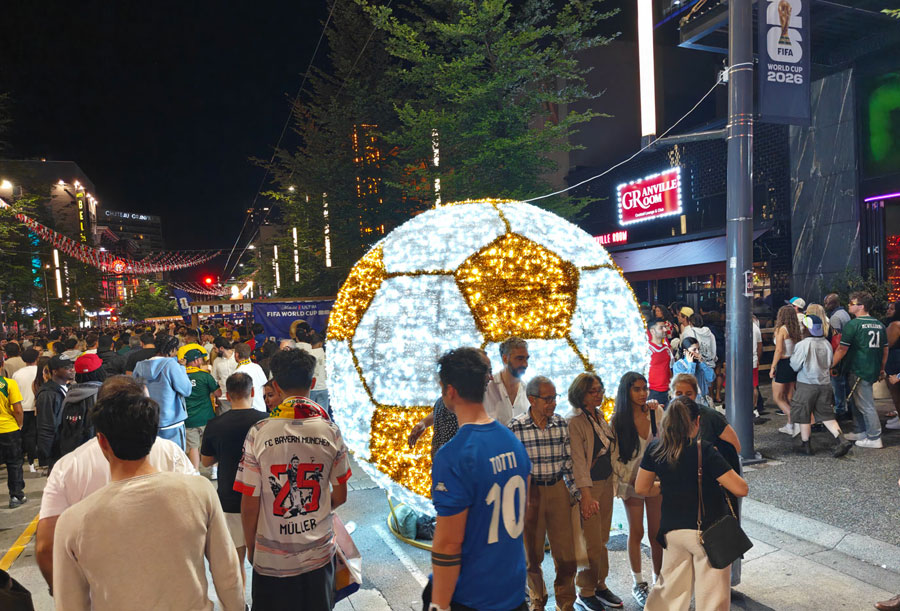
Perhaps most memorable was the atmosphere downtown. The decision to transform Granville Street into a pedestrian-only celebration zone proved to be one of the event’s biggest successes, allowing tens of thousands of supporters to gather safely while creating an atmosphere unlike anything the city had experienced before.
Australians, Mexicans, Canadians, Europeans, South Americans, and countless others shared chants, songs, and celebrations late into the evening as the street became an international crossroads of football and friendship. International visitors praised Vancouver’s walkability, welcoming atmosphere, and ability to integrate the World Cup directly into the fabric of city life rather than confining it behind stadium walls. For weeks, downtown felt less like a host city and more like the centre of the footballing world.
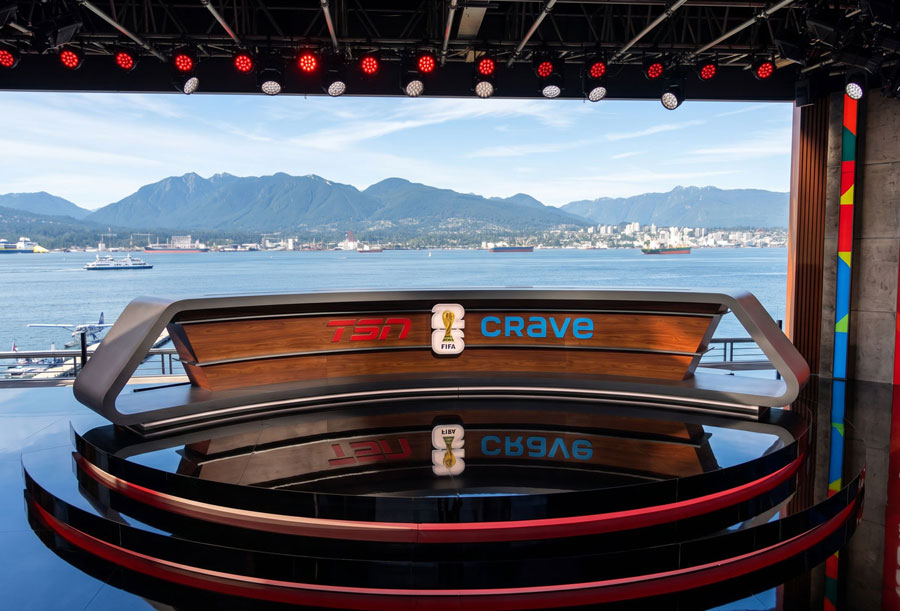
What the tournament ultimately showcased was something Vancouver residents have long known. Beyond the stadium, beyond the matches, and beyond the fan zones lies a city unlike any other. A city where mountains rise behind glass towers, where seaplanes cross harbours beneath snow-capped peaks, and where cultures from around the world have helped create one of North America’s most diverse urban centres.
For one unforgettable month, Vancouver wasn’t simply hosting the world. It became the world.
CONGRATULATIONS SPAIN – WORLD CUP WINNER 2026