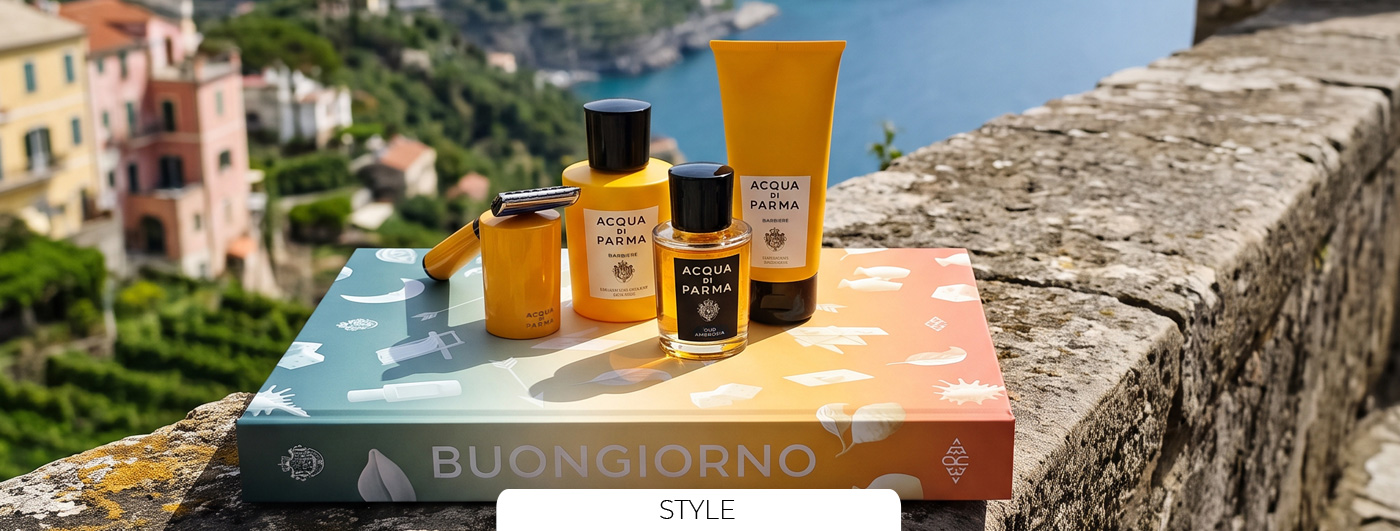
Acqua di Parma – The Scent of Elegance
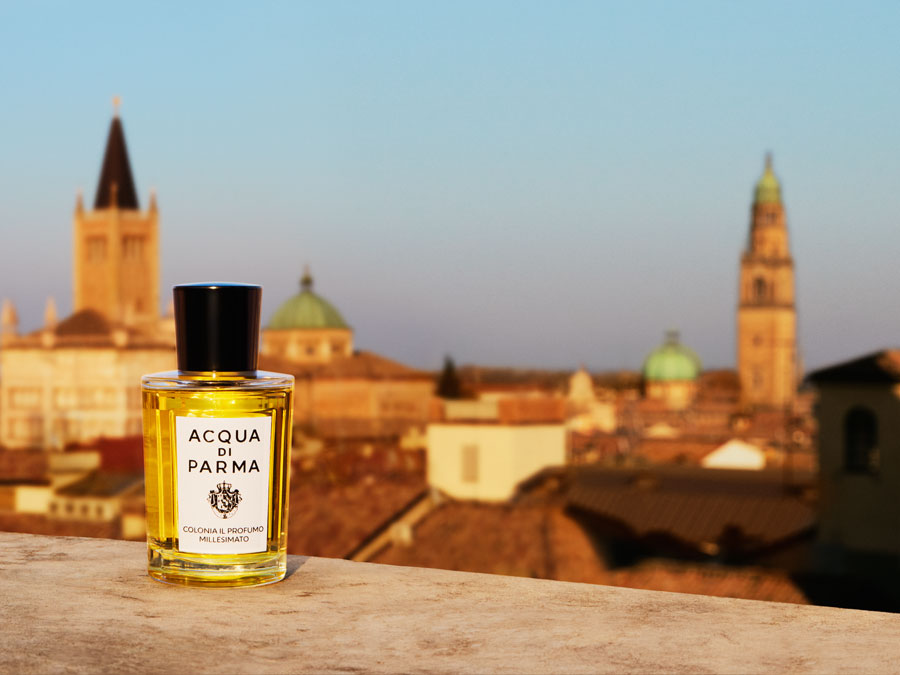
Some luxury brands are recognised by a logo. Others by a distinctive colour, a shape or a particular material. Acqua di Parma is recognised by all of them—and, perhaps most memorably, by a scent. Bright, refined and unmistakably Italian, it is a fragrance house whose identity has remained remarkably consistent for more than a century.
The story began in Parma in 1916 with Colonia, created by Baron Carlo Magnani. Originally intended as his personal fragrance and shared with a small circle of friends, it was unlike many of the heavier, more intense fragrances popular among men at the time. Colonia was lighter, fresher and built around the vibrant character of Italian citrus. What began as a private indulgence would become the foundation of one of Italy’s most enduring luxury maisons.
FROM PARMA TO THE WORLD
Colonia’s popularity grew rapidly during the 1920s. It became associated with Italian tailoring and the rituals of dressing well, with one charming anecdote offering a glimpse into how the fragrance began spreading by word of mouth: tailors would spray their clients’ pocket squares with Colonia, creating an unexpected moment of surprise and delight. Clients would notice the distinctive scent, ask about it and, in turn, introduce others to the fragrance. This early relationship between fragrance and personal style would become an important part of Acqua di Parma’s identity.
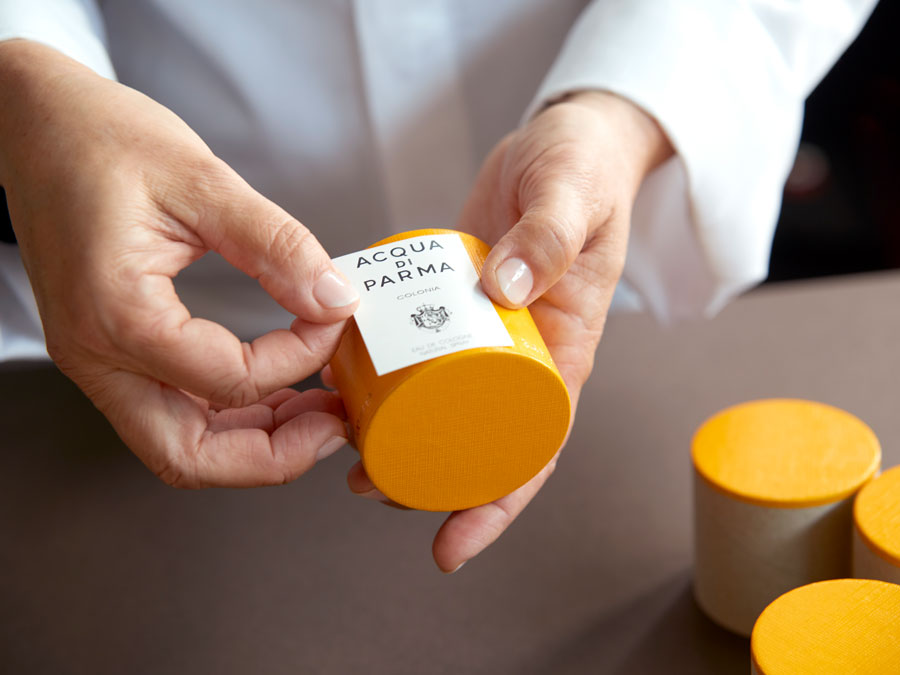
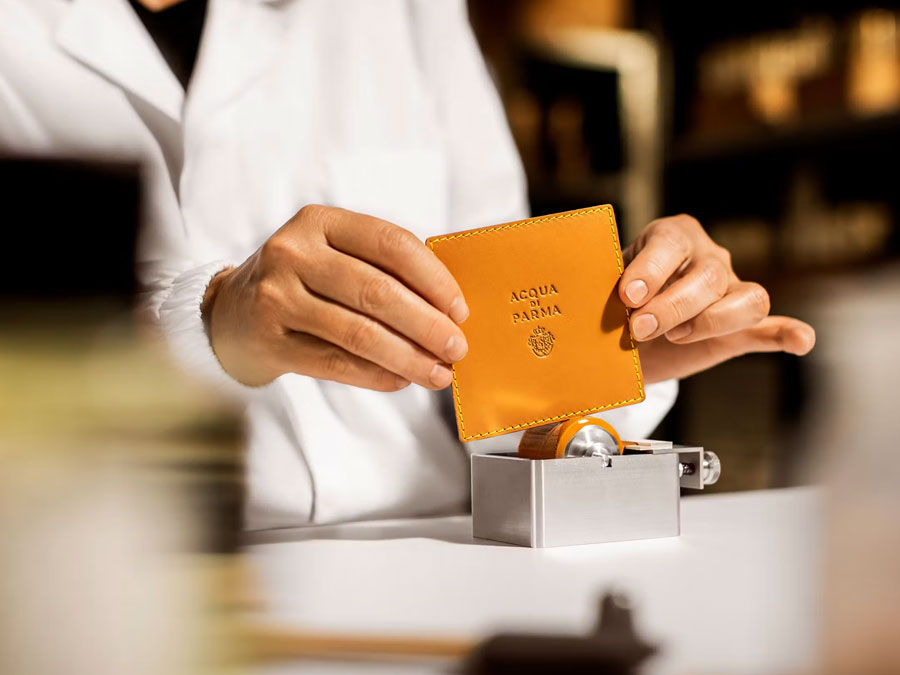
The 1930s brought another defining element: the bottle and its packaging. The distinctive Art Deco-inspired glass bottle remains one of the house’s visual signatures, while the famous yellow packaging—now virtually inseparable from Acqua di Parma—is inspired by the warm yellow tones associated with Parma’s elegant architecture. Even the cylindrical hatbox has a story to tell, recalling the hatboxes of the city’s historic tailoring shops. The labels are applied by hand, a small but telling detail that reflects the maison’s enduring emphasis on craftsmanship.
Then came Hollywood.
During the 1940s and 1950s, international film stars travelling to Italy discovered Colonia and took a little of its Mediterranean character home with them. Names such as Cary Grant and Audrey Hepburn became associated with the fragrance, helping transform what had begun as a distinctly Italian creation into an international symbol of understated sophistication.
A NEW CHAPTER
For a time, Acqua di Parma remained something of an insider’s secret: a fragrance associated with discerning Italians and those who had discovered it through travel. Its next major chapter began in the 1990s, when three Italian entrepreneurs—Luca Cordero di Montezemolo, Diego Della Valle and Paolo Borgomanero—joined forces to revive and develop the maison. The headquarters moved to Milan, and in 1998 Acqua di Parma opened its first boutique on Via Gesù. In 2001, the house became part of the LVMH Group.
Importantly, global growth did not mean abandoning its origins. Instead, Acqua di Parma expanded its world around the philosophy established by Colonia. New fragrance collections followed, including Colonia C.L.U.B., while the maison moved into grooming, body care and home fragrance. Later collections drew inspiration from Italian landscapes, culture, architecture and even opera.
MORE THAN A
FRAGRANCE
This is what makes Acqua di Parma particularly fascinating. It has never been simply about perfume.
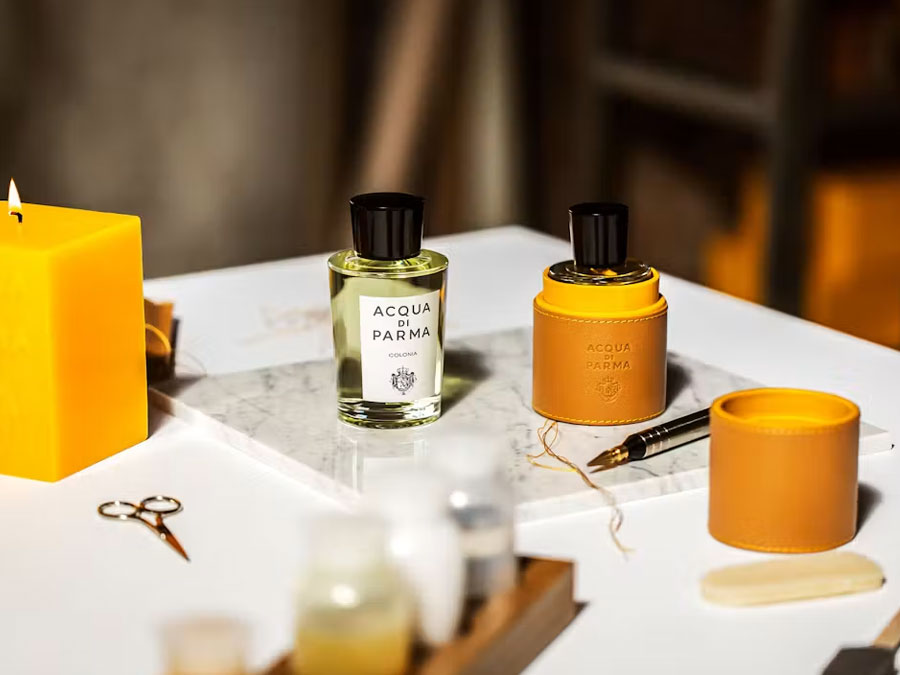
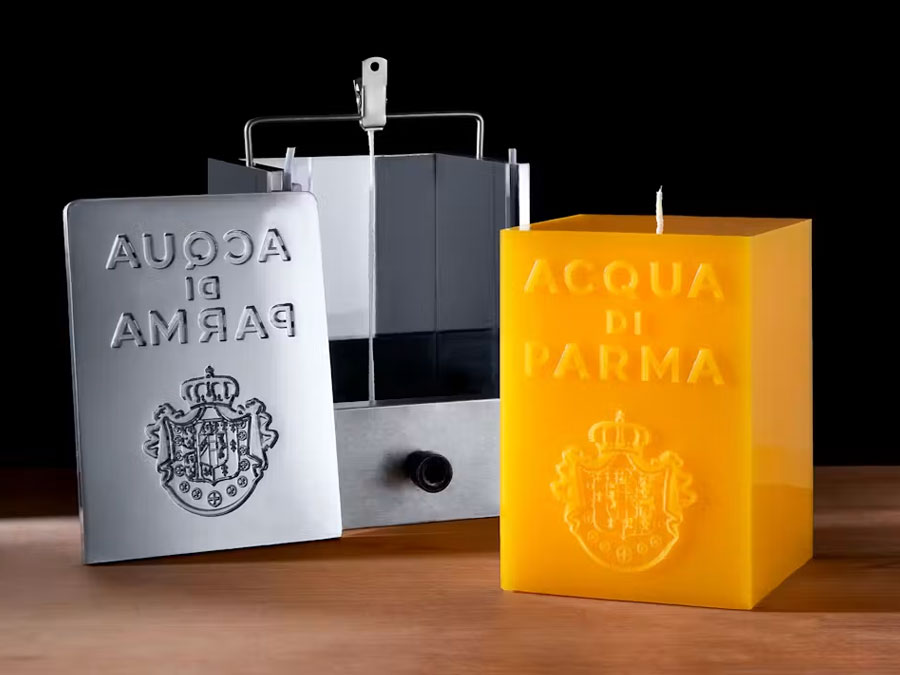
The maison has developed an entire interpretation of Italian living, from fragrances and shaving products to candles, diffusers, bath and body collections, leather accessories and beautifully presented gifts. Across these categories, the same visual and tactile language remains: Parma yellow, Art Deco geometry, elegant simplicity and meticulous finishing.
At the heart of it is what Acqua di Parma describes as L’Arte di Vivere—the art of living. It is a distinctly Italian idea of luxury, one less concerned with excess than with appreciating the quality of everyday rituals: dressing well, preparing for the day, welcoming guests, travelling, enjoying a meal or simply taking a moment for oneself. The maison’s emphasis on human craftsmanship remains central to this philosophy, with artisans contributing to everything from leatherwork and candles to the finishing details of its fragrance bottles.
And then there is Colonia itself. More than a century after its creation, the original fragrance remains the unmistakable heart of the maison—and remarkably, its formula has remained unchanged since 1916. Its enduring appeal lies partly in its simplicity: citrus notes that feel energetic and luminous, balanced by an elegant aromatic character. It does not attempt to overwhelm. Instead, it leaves a refined impression—the olfactory equivalent of an impeccably tailored Italian suit.
110 YEARS OF AN
ITALIAN ICON
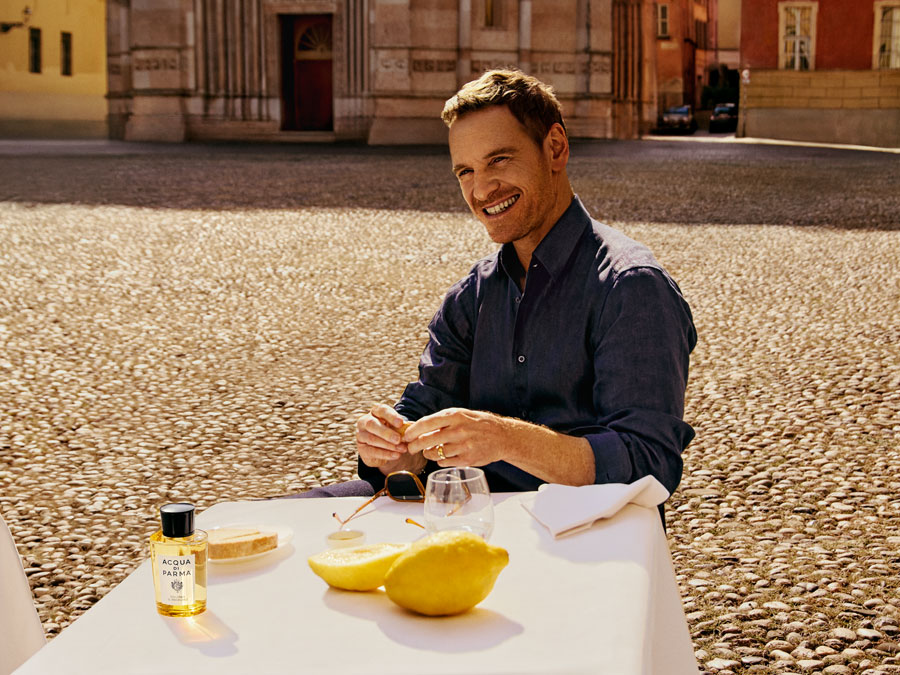
In 2026, Acqua di Parma celebrates its 110th anniversary, a milestone that says much about the strength of its original vision. To mark the occasion, the maison returned to Parma for a cinematic campaign featuring Michael Fassbender and Sabrina Impacciatore, exploring the idea that Italian beauty reveals itself through rituals, craftsmanship, time and the details of everyday life.
That may be the most compelling explanation for Acqua di Parma’s longevity. Trends come and go, but the maison has never needed to chase them. Instead, it has refined a particular vision of Italy and allowed it to evolve naturally.
There is the fragrance, of course. There is the unmistakable yellow, the elegant bottle, the artisanal packaging and the unmistakable sense of place. But above all, there is an attitude: that luxury need not announce itself loudly. It can be found in freshness, craftsmanship, beauty and ritual.
More than a perfume house, Acqua di Parma has bottled a feeling—the feeling of Italy at its most elegant, effortless and enduring.
And after 110 years,
that feeling remains
remarkably fresh.